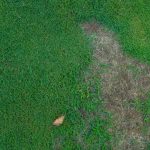

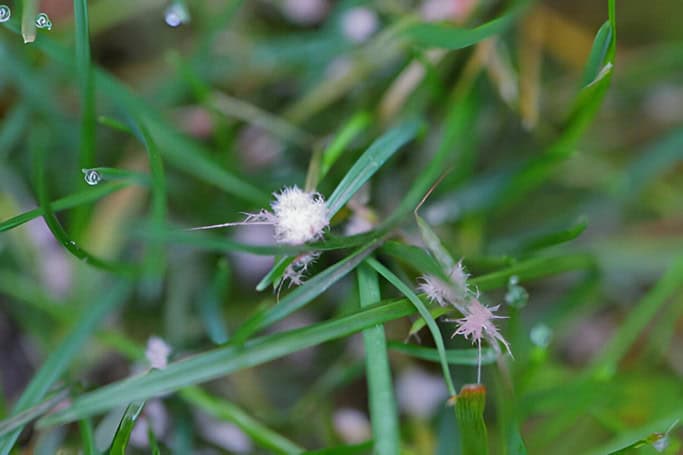
Lawns that appear healthy in late fall can surprise homeowners with severe damage once spring arrives. At Erbert Lawns, we often see this hidden problem caused not by cold weather alone but by an underestimated pest, winter mites. These tiny insects feed aggressively when grass is most vulnerable, leaving homeowners puzzled by brown, lifeless turf that struggles to recover.
Key Takeaways
- Winter mites feed when grass is dormant, causing hidden but severe damage
- Mite injury often looks like drought stress, delaying recognition
- Lawns in dry, sunny winter spots are most at risk
- Proper watering, aeration, and fertilization help protect turf
- Professional lawn care ensures timely detection and treatment
The Secret Threat: What Are Winter Mites?
Winter mites are a type of spider mite that becomes particularly active during the colder months, especially in late fall and early spring. Unlike other mites that thrive in warmer months, winter mites have adapted to survive and even thrive in the harsh conditions of winter. They are microscopic, usually only about 1/50th of an inch in length, making them difficult to see with the naked eye. But despite their tiny size, winter mites can wreak havoc on your lawn, killing grass and causing long-lasting damage if left untreated.
Winter mites typically attack grass during the dormancy period. Grass doesn’t grow during the cold months, and this makes it more vulnerable to stress from environmental factors like extreme cold, dry conditions, or pest infestation. While many people are familiar with the impact of summer pests, such as grubs or chinch bugs, winter mites are often overlooked because they are more active when homeowners are less likely to be inspecting their lawns.
How Winter Mites Damage Lawns
Mites feed by piercing the cells of grass blades and sucking out their contents. As winter mites continue to feed on the grass, they cause dehydration and cellular damage. This results in a patchy, discolored lawn with areas of grass that may appear yellow or brown. Over time, this damage accumulates and can completely kill off sections of turf if not properly managed.
Unlike other pests, winter mites don’t just eat the grass; they also contribute to the weakening of the lawn’s overall health. As the grass loses its ability to photosynthesize process due to the damage to its leaves, it becomes more susceptible to disease, fungus, and other stresses. Grass weakened by mite feeding also has a harder time bouncing back in the spring, which can lead to long-term thinning and poor growth for the entire lawn.
Why Winter Mites Are So Dangerous
What makes winter mites so dangerous is their ability to survive and multiply under conditions that many other pests can’t. Here are a few reasons why they can be so destructive:
1. Cold-Tolerant
Unlike many pests that die off with the first frost, winter mites are well-adapted to cold weather. They can endure freezing temperatures and continue feeding on grass throughout the winter months. This means they can cause significant damage when grass is least able to recover, leaving homeowners with extensive repairs come springtime.
2. Stealthy and Hard to Detect
Because winter mites are so small, they are often unnoticed until the damage is already done. A lawn may look perfectly healthy in the fall, only to be found patchy and weak as temperatures warm up in the spring. The feeding damage left behind by these mites may take weeks or even months to show up fully, making early detection difficult.
3. Reproduction in Dormancy
Winter mites don’t need lush, green grass to survive. They can reproduce during the winter, feeding on the thin, dormant grass blades and surviving the harsh conditions. As soon as temperatures rise, they multiply rapidly, attacking newly sprouted grass, making it more difficult for the lawn to recover from the winter damage.
4. Resilience to Pesticides
Traditional pesticide treatments are often ineffective against winter mites. Many of the chemicals designed to kill mites are not suitable for cold weather, leaving homeowners with limited options for controlling the pests during the winter months. As a result, damage caused by these mites can go unchecked until it’s too late.
Why Winter Mite Damage Is Underestimated
Many homeowners underestimate the damage winter mites can cause for several reasons. First, the winter months often leave homeowners thinking that their lawn is dormant and safe. In fact, the period when grass is less active is when these mites are most destructive. Additionally, because winter mites tend to damage lawns gradually, their effects aren’t as immediately noticeable as a major pest infestation or disease. By the time the damage becomes apparent, the lawn could be severely weakened, making it more susceptible to additional stress in the spring.
Another reason winter mites are overlooked is that they often affect only certain types of grasses. Cool-season grasses, such as Kentucky bluegrass or fescue, are particularly susceptible to winter mite damage. Warm-season grasses, like Bermuda grass or zoysia, tend to be less affected, making winter mite damage a bigger concern in colder regions of the U.S.
How to Protect Your Lawn from Winter Mites
Prevention and early intervention are key when it comes to winter mites control. Here are some steps homeowners can take to reduce the risk of winter mite damage:
1. Regular Lawn Care
Maintaining a healthy lawn year-round is your best defense against pests such as winter mites. Healthy grass can better withstand stress and recover from damage. Be sure to mow regularly during the growing season and avoid cutting your grass too short, as this can weaken it and increase its susceptibility to pest infestations.
2. Aerate Your Lawn
Aerating your lawn helps reduce soil compaction, promotes better root growth, and allows water and nutrients to reach the grass more effectively. This can help your lawn stay healthy and better resist the effects of pests, including winter mites.
3. Use Winter Mite Control Products
There are specific treatments designed to manage mites in the winter months. Consider using a winter miticide, which is formulated to work in colder temperatures. These can be applied in late fall or early winter before the mites begin feeding in full force.
4. Monitor Your Lawn
Check your lawn for early signs of mite damage. If you notice yellowing or brown patches during the winter, you may have an infestation. You can also use a magnifying glass to look for the tiny, reddish specks of mites on the grass blades.
5. Improve Drainage
Winter mites thrive in dry conditions. By improving lawn drainage, you can reduce the chances of creating the dry, stressed conditions that favor mite development.
Conclusion
Winter mites are a hidden but powerful threat to lawns. Many homeowners underestimate the damage until it’s too late. By investing in year-round care, especially during winter, you can protect your yard from costly repairs and ensure a vibrant spring green-up. Don’t let mites steal your lawn’s health. Get in touch with us today for expert mites control service and lasting protection.
FAQs:
When do winter mites cause the most damage?
They are most active on warm, dry winter days when turfgrass is weak and dormant.
How can I tell if my lawn has mite damage?
Look for brown patches, brittle grass, and areas near sidewalks or sunny spots that fail to green up in spring.
Can watering in winter really help?
Yes. Light watering during dry winter periods can significantly reduce mite populations.
Do I need professional treatment for winter mites?
DIY measures help, but professional inspections ensure accurate detection and effective treatment before damage becomes costly.
Can a damaged lawn recover without reseeding?
In mild cases, lawns may recover. Severe infestations often require overseeding or sod installation.

Kelsey Keller
Business Manager
With six years of experience in lawn care, Kelsey Keller has learned the
many facets of what it takes to make lawn green and weed free. She pays close attention to
what customers need and what will make their lawn happy. She continues to learn and discover
what the turfs in Colorado need to be able to thrive.