
Winter can be deceptive. Lawns appear dormant, yet beneath the frost, silent damage may already be underway. Mites thrive in the cold, stripping grass of its health and color. At Erbert Lawns, we know how quickly winter mite infestations can escalate, leaving turf thin, patchy, and lifeless by spring. Learning to identify early signs of damage can help protect lawns before it’s too late.
Key Takeaways
- Winter mites thrive in dry, cold conditions.
- Early symptoms often resemble drought stress.
- Regular watering during mild days helps reduce outbreaks.
- Professional treatments can save lawns from permanent loss.
Why Winter Mites Are a Hidden Threat
Unlike pests that florish in warmer months, winter mites are most active during cooler, dry conditions. As grass struggles in the cold, mites puncture leaf tissue and drain essential juices. What begins as a small discolored patch can rapidly expand into a widespread lawn problem if ignored.
Research highlights that winter mite activity peaks in late fall through early spring. Feeding weakens turf roots, making recovery slow even after temperatures rise.
Early Warning Signs of Winter Mite Damage
Recognizing symptoms before spreading is crucial:
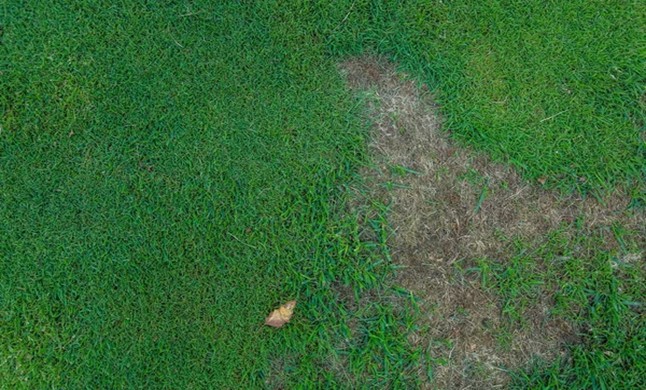
- Patchy, straw-colored turf that resembles drought stress even when the soil has adequate moisture. This discoloration often starts in small areas but gradually expands, creating unsightly patches across the lawn.
- Blades that crumble easily when touched, indicating brittleness caused by the loss of internal sap. Grass may feel fragile and break apart rather than bending, showing clear signs of weakened tissue.
- Irregular, expanding spots that worsen in sunny or exposed areas. Damage often begins in sections that receive prolonged sunlight, where mites thrive in dry conditions, and the affected patches enlarge over time.
- Lawn thinning that does not improve after light watering. Even when moisture is provided, the turf fails to respond, suggesting root systems have already been compromised by feeding activity.
These signs typically appear at times when grass should be dormant but still healthy in structure, making it essential to distinguish between natural dormancy and pest damage.
Conditions That Attract Winter Mites
Certain environments create favorable conditions for infestations:
- South-facing slopes with extended sunlight exposure: These areas often warm more quickly during the day and remain dry for longer periods, creating prime conditions for mite activity throughout winter.
- Dry soils that lack consistent moisture: Lawns without supplemental watering during warmer winter days are more vulnerable, as mites thrive when grass is weakened by insufficient hydration.
- Compacted ground that prevents healthy root growth: Soil that is dense or poorly aerated restricts roots from accessing water and nutrients, leaving grass more susceptible to stress and pest damage.
- Unfertilized turf weakened by nutrient deficiencies: Grass that lacks balanced feeding does not develop the strength needed to resist pest activity, allowing mites to spread more rapidly across stressed areas.
Preventing Severe Damage
Taking proactive steps reduces risks significantly:
Water During Warm Days
Even in the colder months, lawns can benefit from supplemental watering. When temperatures rise above freezing, occasional deep watering helps maintain soil moisture, reducing stress on turf and creating an environment less favorable for mites to thrive.
Maintain Fertility
Balanced nutrition is essential for building turf resilience. Applying winter fertilizers provides grass with the nutrients it needs to strengthen root systems, improve tolerance to cold weather, and stand up better against pest activity.
Overseed Thin Areas
Sparse or thinning patches of grass create openings where mites can spread more easily. By overseeding during the appropriate season, lawn density is reinforced, reducing bare spots and improving the overall health of the turf.
Aerate in Fall
Compacted soil limits root growth and reduces the lawn’s ability to absorb water and nutrients. Fall aeration alleviates soil compaction, promotes deeper root systems, and enhances the turf’s overall ability to withstand both stress and pest pressure.
Treatment Options if Damage Occurs
When signs of winter mite damage become visible, swift action is critical to limit further destruction and give turf the best chance at recovery:
Targeted miticides applied by professionals halt feeding cycles
Specialized treatments are designed to directly address mite populations and stop further damage to grass blades and roots. Proper application is important, as it ensures the right coverage and dosage for effective control while protecting turf health.
Supplemental irrigation revives stressed areas where roots remain intact
Even during colder months, watering during mild periods can help restore vitality to weakened grass. This added moisture supports remaining root systems and allows turf to better withstand pest stress while preparing for spring growth.
Topdressing and overseeding rebuild density if sections fail to recover naturally
In cases where grass does not bounce back, adding a layer of topdressing combined with overseeding can restore bare patches. This practice helps improve soil quality, encourages new growth, and re-establishes a uniform, healthy lawn surface.
Conclusion
Winter mite damage is subtle yet destructive. By learning to recognize early warning signs and acting quickly, lawns can be saved from severe thinning and decline. Proactive care and timely treatments ensure grass rebounds strongly in spring. For expert support and proven solutions, contact us today to protect lawns before it’s too late.
FAQs
1. What time of year are winter mites most active?
Winter mites are most active from late fall through early spring when conditions are dry and cool.
2. Can winter mite damage repair itself naturally?
Minor damage may recover with new spring growth, but severe infestations often require overseeding or additional treatment.
3. How can winter mite presence be confirmed?
Placing a white sheet on turf and gently brushing the grass can reveal small, dark mites moving across the surface.
4. Are chemical treatments safe for lawns?
When applied correctly, miticides are effective and generally safe for turf health. Proper application ensures the best results.
5. How quickly can mites damage turf?
In favorable conditions, visible damage may spread within weeks, leaving the grass patchy and fragile by spring.
6. Do mites affect all grass types?
Most cool-season grasses are susceptible if conditions are right, though some varieties show greater resistance than others.

Kelsey Keller
Business Manager
With six years of experience in lawn care, Kelsey Keller has learned the
many facets of what it takes to make lawn green and weed free. She pays close attention to
what customers need and what will make their lawn happy. She continues to learn and discover
what the turfs in Colorado need to be able to thrive.