
Lawns often show signs of stress long before the cause is visible. Compacted soil, poor drainage, and thinning grass can quietly weaken turf over time. These issues are commonly mistaken for surface problems, even though the root cause lies deeper. Erbert Lawns approaches lawn aeration as a practical way to restore balance below the surface. Understanding how aeration supports soil health can help protect grass, improve resilience, and support long-term lawn performance.
- Key Takeaways
- Why Aeration Matters More Than Most Homeowners Realize?
- 1. Relieves Soil Compaction
- 2. Enhances Fertilizer and Nutrient Uptake
- 3. Reduces Water Runoff and Improves Drainage
- 4. Breaks Up Thatch Build-Up
- 5. Strengthens Roots for a Healthier Lawn
- When Should Aeration Be Performed?
- How Does Erbert Lawns Support Healthier Turf?
- Conclusion
- FAQs:
Key Takeaways
- Aeration reduces soil compaction
- Roots grow stronger and deeper
- Water and nutrients absorb better
- Thatch buildup is reduced
- Lawns recover faster from stress
Why Aeration Matters More Than Most Homeowners Realize?
Over time, soil becomes compacted due to foot traffic, lawn mowing, pets, and natural settling. Compacted soil limits the movement of air, water, and nutrients to the root zone, weakening turf from the ground up. These conditions often cause thinning grass, shallow roots, and increased stress during heat or dry periods.
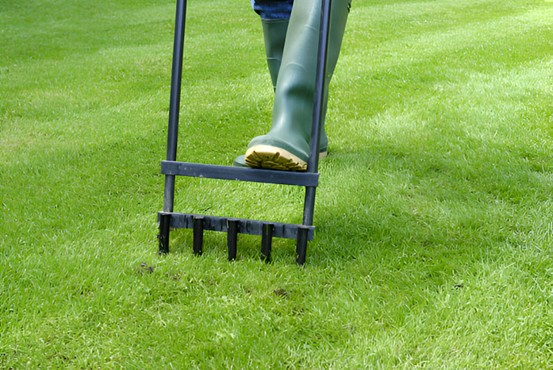
Lawn aeration creates small openings in the soil, allowing essential elements to reach the roots more effectively. This process supports recovery and long-term lawn resilience by restoring healthy soil function.
When aeration is overlooked, lawns may experience:
- Poor drainage and surface runoff
- Reduced fertilizer effectiveness
- Increased vulnerability to drought and wear
If you’re looking to boost your lawn’s health and appearance, here are five surprising ways aeration can make a dramatic difference.
1. Relieves Soil Compaction
One of the biggest hidden threats to a healthy lawn is compacted soil. Over time, foot traffic, pet activity, and even heavy rains can compress the soil, making it difficult for grass roots to grow and access essential nutrients.
Aeration solves this problem by:
- Loosening the soil to allow roots to spread more easily
- Improving the exchange of oxygen, water, and nutrients
- Reducing puddles and surface runoff
- Making it easier for your lawn to withstand drought and heat
Lawns that are regularly aerated tend to grow stronger, thicker, and healthier because the roots have room to breathe and thrive.
2. Enhances Fertilizer and Nutrient Uptake
Fertilizers and soil amendments are only effective if they reach the root zone. On compacted lawns, much of the fertilizer simply sits on the surface, doing little to improve grass health.
Aeration improves nutrient absorption by:
- Creating pathways for fertilizer and compost to penetrate the soil
- Allowing nutrients to reach deeper roots instead of staying near the surface
- Increasing the efficiency of organic amendments like lime or manure
- Reducing waste and saving money on lawn products
By combining aeration with fertilization, homeowners can get the most value out of every application, leading to greener, more resilient turf.
3. Reduces Water Runoff and Improves Drainage
Watering a lawn might seem straightforward, but if the soil is compacted or clogged with thatch, much of the water can run off the surface instead of reaching the roots. This can leave your lawn stressed and vulnerable, especially during dry summer months.
Aeration helps your lawn absorb water more effectively by:
- Creating channels for water to penetrate the soil
- Reducing puddles and standing water after storms
- Promoting deeper root growth, which allows grass to access moisture more efficiently
- Minimizing erosion and soil compaction caused by repeated watering
A well-aerated lawn is more drought-resistant and better equipped to survive extreme weather conditions.
4. Breaks Up Thatch Build-Up
Thatch is a layer of dead grass, roots, and debris that accumulates on the soil surface. A thin layer can be healthy, but too much thatch can suffocate the lawn, block nutrients, and create ideal conditions for pests and disease.
Aeration combats thatch by:
- Penetrating through the thatch layer to reach the soil below
- Promoting decomposition of organic material through increased airflow
- Reducing the risk of fungal infections and pest infestations
- Encouraging grass to establish deeper, stronger roots beneath the thatch
By breaking up thatch, aeration helps your lawn breathe, absorb nutrients, and maintain a uniform, healthy appearance.
5. Strengthens Roots for a Healthier Lawn
A deep, robust root system is the foundation of a strong lawn. Shallow roots leave grass vulnerable to heat, drought, and wear-and-tear. Aeration encourages root growth by creating space for the roots to expand and access essential resources.
The benefits include:
- Thicker, more resilient grass that withstands heavy foot traffic
- Improved tolerance to heat and dry periods
- Enhanced recovery after mowing, fertilizing, or seasonal stress
- A lawn that looks fuller, greener, and more vibrant
Over time, a lawn with strong roots is easier to maintain, requires less water, and stands up better to common stresses like pets, sports, and garden activities.
When Should Aeration Be Performed?
Timing matters. Aeration is most effective when grass is actively growing and able to recover quickly. To get the most out of aeration, timing is key. Cool-season grasses (like Kentucky bluegrass or fescue) benefit most from aeration in early spring or fall, while warm-season grasses (like Bermuda or Zoysia) respond best in late spring through summer. Combining aeration with seeding or fertilization during these periods maximizes your lawn’s growth and recovery.
In most regions:
- Cool-season grasses benefit from fall or spring aeration
- Warm-season grasses respond best to late spring or early summer
- Professional assessment ensures aeration is performed at the right time for your lawn type.
How Does Erbert Lawns Support Healthier Turf?
At Erbert Lawns, aeration is part of a comprehensive lawn care strategy. Lawn aeration service is tailored to soil conditions, grass type, and seasonal needs to deliver measurable results. Each lawn is evaluated to ensure aeration is performed at the correct depth and timing, helping turf recover efficiently and grow more evenly throughout the season.
This approach supports healthier lawns through:
- Targeted aeration based on soil compaction
- Improved nutrient and water absorption
- Stronger root development over time
Conclusion
Aeration is one of the most effective ways to protect and restore lawn health. By relieving soil compaction, improving nutrient flow, and supporting root strength, aeration helps lawns withstand seasonal stress and daily wear. At Erbert Lawns, aeration services are designed to support long-term turf performance. To strengthen your lawn from the ground up, contact us and schedule a professional aeration service.
FAQs:
Does aeration help with lawn disease?
Yes. Aeration improves airflow and soil drainage, which can reduce moisture buildup that contributes to certain turf diseases.
How often should a lawn be aerated?
Most lawns benefit from aeration once per year, depending on soil condition and foot traffic.
Does aeration damage the lawn?
No. When performed correctly, aeration supports recovery and long-term turf health.
Can aeration help with bare patches?
Yes. Improved soil conditions support stronger regrowth in thin or damaged areas.
Is aeration necessary if I fertilize?
Yes. Fertilizer is more effective when the soil allows nutrients to reach the roots.
Should aeration be done professionally?
Professional aeration ensures correct depth, spacing, and timing for optimal results.

Kelsey Keller
Business Manager
With six years of experience in lawn care, Kelsey Keller has learned the
many facets of what it takes to make lawn green and weed free. She pays close attention to
what customers need and what will make their lawn happy. She continues to learn and discover
what the turfs in Colorado need to be able to thrive.