

Maintaining a beautiful lawn doesn’t have to take hours of effort every day. Erbert Lawns understands that a healthy lawn can thrive with just a few minutes of attention each day. By focusing on simple yet effective routines, you can keep your grass green, strong, and vibrant without the need for complex, time-consuming tasks.
- Key Takeaways
- Why Daily Lawn Care Matters?
- Step 1: Quick Visual Inspection (1 Minute)
- Step 2: Spot Watering Where Needed (1 Minute)
- Step 3: Remove Small Weeds by Hand (1 Minute)
- Step 4: Clear Debris and Clippings (1 Minute)
- Step 5: Edge and Shape Trouble Areas (1 Minute)
- Weekly and Seasonal Add-Ons
- Common Mistakes to Avoid
- Why This Routine Actually Works?
- Conclusion
- FAQs:
Key Takeaways
- Water Properly: Deep, infrequent watering is better than shallow daily watering
- Mow Regularly: Keep your grass at about 3 inches to encourage healthy growth
- Remove Debris: Clear your lawn of leaves and twigs to prevent disease and blockages
- Aerate Occasionally: Aerating once or twice a year improves water and nutrient absorption
- Fertilize Sparingly: Light, organic fertilizer applications keep your lawn healthy without overfeeding
Why Daily Lawn Care Matters?
Lawns respond best to consistency. Just like fitness or healthy eating, small daily actions build momentum and prevent setbacks. Spending a few minutes each day helps you spot issues early and maintain overall lawn care and health.
Daily attention allows you to:
- Catch weeds before they spread
- Notice signs of stress, pests, or disease early
- Reduce the need for heavy treatments later
- Keep your lawn looking tidy and well-kept
Instead of reacting to problems, you stay one step ahead.
Step 1: Quick Visual Inspection (1 Minute)
The first part of your routine is simply looking at your lawn. Walk across it or scan from the patio or driveway.
Pay attention to changes in color, texture, or growth patterns.
- Look for yellow or brown patches
- Check for new weeds popping up
- Notice areas that look compacted or dry
- Watch for signs of insect damage or fungal growth
This quick check builds familiarity with your lawn, making it easier to notice when something isn’t right.
Step 2: Spot Watering Where Needed (1 Minute)
Instead of running sprinklers on a rigid schedule, use your daily check to water only where it’s needed.
Targeted watering saves time, water, and money.
- Water dry spots rather than the entire lawn
- Focus on edges, slopes, and sunny areas
- Avoid watering areas that still feel moist
This habit helps promote deeper root growth and prevents overwatering, which can lead to disease and shallow roots.
Step 3: Remove Small Weeds by Hand (1 Minute)
Pulling a few weeds every day is far easier than dealing with dozens later. Young weeds are easier to remove and less likely to return.
Keep it simple and consistent.
- Pull weeds after watering when the soil is soft
- Focus on visible weeds near walkways or borders
- Dispose of weeds properly to prevent reseeding
This small effort significantly reduces the need for herbicides over time.
Step 4: Clear Debris and Clippings (1 Minute)
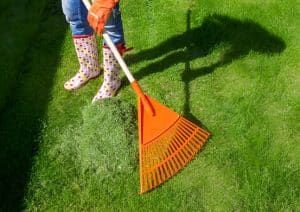
Leaves, sticks, and grass clippings can smother your lawn if left unchecked. Clearing them daily keeps your grass healthy and allows sunlight and air to reach the soil.
You don’t need tools, just a quick tidy-up.
- Remove fallen branches or leaves
- Break up clumps of grass clippings
- Clear debris from drains and edges
This step also improves the overall appearance of your yard instantly.
Step 5: Edge and Shape Trouble Areas (1 Minute)
Crisp edges make a lawn look well-maintained, even if the grass itself isn’t perfect. Spending one minute touching up problem areas can make a big visual impact.
Focus on areas that grow fastest.
- Trim grass along sidewalks and driveways
- Pull or clip overgrowth near garden beds
- Keep edges neat to prevent grass spread
Over time, this reduces the need for frequent, time-consuming edging sessions.
Weekly and Seasonal Add-Ons
While the daily routine keeps things under control, some tasks should still be done weekly or seasonally.
Use your daily checks to decide when these are needed.
- Lawn mowing when the grass reaches the proper height
- Fertilizing during peak growing seasons
- Aerating compacted areas as needed
- Overseeding thin or bare spots
Because your lawn is already well-maintained, these larger tasks become quicker and more effective.
Common Mistakes to Avoid
Even with a simple routine, certain habits can undermine your efforts.
Be mindful of these common mistakes:
- Overwatering out of habit rather than need
- Ignoring small problems until they spread
- Cutting grass too short to “save time”
- Using chemicals without identifying the issue
Consistency paired with restraint leads to better long-term results.
Why This Routine Actually Works?
The success of this 5-minute routine lies in prevention. Instead of relying on heavy treatments or major cleanups, you’re supporting your lawn’s natural resilience.
This approach:
- Reduces stress on grass roots
- Encourages even growth
- Minimizes pest and weed pressure
- Keeps maintenance manageable year-round
Over time, your lawn becomes healthier and easier to care for, requiring less effort overall.
Conclusion
By dedicating just five minutes each day, you can maintain a healthy, vibrant lawn with minimal effort. Erbert Lawns believes that small, consistent actions make all the difference in lawn care. This simple routine helps prevent bigger problems, ensuring your lawn remains strong and beautiful. For professional lawn care service, help and further tips, contact us today and keep your lawn looking its best all year long.
FAQs:
How often should I water my lawn?
It’s best to water your lawn deeply two or three times a week. Early morning or late evening watering helps reduce evaporation.
What’s the ideal mowing height for my grass?
Set your mower blade to about 3 inches. Cutting your grass too short can stress it, while taller grass helps shade the soil and retain moisture.
How do I know if my lawn needs aeration?
If the soil feels compacted or the grass isn’t growing well despite watering and fertilizing, it’s time for aeration. Generally, aerate once or twice a year.
Can I use any fertilizer for my lawn?
It’s best to use slow-release, organic fertilizers. These provide nutrients steadily and reduce the risk of over-fertilization, which can harm your lawn.
What should I do if my lawn has brown patches?
Brown patches can be caused by overwatering, disease, or lack of nutrients. Check your watering schedule, remove debris, and consider fertilizing or aerating the affected areas.

Kelsey Keller
Business Manager
With six years of experience in lawn care, Kelsey Keller has learned the
many facets of what it takes to make lawn green and weed free. She pays close attention to
what customers need and what will make their lawn happy. She continues to learn and discover
what the turfs in Colorado need to be able to thrive.