
Aeration is a crucial step in maintaining a healthy lawn, and there are various methods to achieve it. Erbert Lawns offers a solution that stands out, liquid aeration. This method provides multiple advantages over traditional core aeration, including less disruption to your lawn and improved overall soil health. By choosing liquid aeration, you can enhance nutrient absorption and water retention, resulting in a thriving, healthy lawn with minimal effort and mess.
- Key Takeaways
- Understanding Core Aeration and Its Limitations
- What Is Liquid Aeration?
- Less Disruption, Better Lawn Appearance
- Improved Water Efficiency in U.S. Climate Conditions
- Safe for Irrigation Systems and Infrastructure
- Better Root Development and Soil Health
- Access to Hard-to-Reach Areas
- Suitable for a Wide Range of Soil Types
- Long-Term Benefits with Regular Application
- Best Time for Liquid Lawn Aeration
- Why Liquid Aeration Might Be the Right Choice for Your Lawn?
- Conclusion
- FAQs:
Key Takeaways
- Non-Invasive: Liquid aeration does not disturb the lawn’s surface
- Improved Soil Health: Boosts microbial activity for better nutrient absorption
- Cost-Effective: More affordable and faster to apply than core aeration
- Better for Compaction: Ideal for compacted soils, improving water flow
- No Heavy Equipment: Applied with a sprayer, making it cleaner and easier
Healthy soil is the foundation of a lush, resilient lawn, whether it’s a residential yard, a commercial property, or a sports field. In the United States, soil conditions vary widely, from sandy soils to dense, compacted clay, making aeration an essential part of maintaining strong, healthy turf. Traditionally, core aeration has been the standard approach, but in recent years, liquid aeration has proven to be a highly effective alternative.
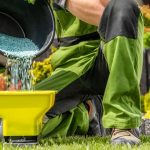
Liquid aeration uses specialized soil-conditioning solutions applied with a sprayer to improve soil structure and reduce compaction. Compared to mechanical core aeration, it offers a range of practical, performance, and maintenance benefits, making it increasingly popular among homeowners and lawn care professionals.
Understanding Core Aeration and Its Limitations
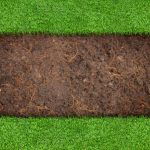
Core aeration involves using machinery to physically remove plugs of soil from the lawn. While effective in some cases, it also comes with several drawbacks that may not be suitable for every property.
Common limitations of core aeration include:
- Lawn disruption caused by visible soil plugs
- Temporary decline in lawn appearance
- Risk of damaging irrigation lines or underground utilities
- Difficulty accessing tight or uneven areas
- Limited effectiveness in certain soil types
For many residential and commercial properties, these drawbacks have driven interest in less invasive solutions.
What Is Liquid Aeration?
Liquid aeration works by applying a solution containing surfactants, soil conditioners, and biological agents. These ingredients penetrate the soil profile and loosen compacted particles without removing soil.
Liquid aeration improves soil by:
- Breaking apart compacted soil particles
- Increasing pore space for air, water, and nutrients
- Improving water infiltration and root development
- Enhancing microbial activity in the soil
Because it doesn’t rely on heavy machinery, liquid aeration provides a gentler yet highly effective way to improve soil health.
Less Disruption, Better Lawn Appearance
One of the biggest advantages of liquid aeration is its minimal impact on lawn appearance. Unlike core aeration, which leaves visible holes and soil plugs, liquid aeration keeps lawns looking clean and usable.
Benefits of reduced disruption include:
- No soil plugs left on the surface
- Immediate use of the lawn after application
- No cleanup or recovery time required
- Ideal for residential lawns, schools, and commercial properties
For homeowners who value curb appeal or businesses that need attractive grounds year-round, this is a significant benefit.
Improved Water Efficiency in U.S. Climate Conditions
Water efficiency is an important consideration. Compacted soil often causes water runoff instead of absorption, leading to wasted irrigation and stressed turf.
Liquid aeration helps by:
- Improving water absorption and reducing runoff
- Allowing moisture to reach deeper root systems
- Enhancing drought tolerance during hot periods
- Reducing the need for frequent watering
This makes liquid aeration especially beneficial in areas prone to drought or water restrictions.
Safe for Irrigation Systems and Infrastructure
Mechanical core aeration can pose a risk to underground irrigation lines, cables, and pipes, particularly when their locations aren’t clearly marked. Liquid aeration completely eliminates this risk.
Key advantages include:
- No physical penetration of the soil
- Safe application around sprinkler and drip systems
- Reduced risk of costly repairs
- Suitable for properties with complex infrastructure
This makes liquid aeration a smart option for both residential and commercial landscapes.
Better Root Development and Soil Health
Liquid aeration doesn’t just treat surface compaction; it improves soil structure at deeper levels. Over time, this results in stronger roots and healthier turf.
Soil and root benefits include:
- Increased oxygen availability in the root zone
- Improved nutrient uptake
- Enhanced microbial activity
- Stronger, deeper root systems
Healthier roots help lawns better withstand heat, foot traffic, and seasonal stress.
Access to Hard-to-Reach Areas
Core aeration machines can struggle in narrow, sloped, or irregular spaces. Liquid aeration, applied with a sprayer, can easily reach areas that equipment cannot.
This allows treatment of:
- Small residential lawns
- Edges and corners
- Sloped or uneven terrain
- Landscaped areas with obstacles
The result is more consistent soil improvement across the entire lawn.
Suitable for a Wide Range of Soil Types
Soils across the U.S. vary significantly, from sandy soils to dense clay-based profiles. Liquid aeration is adaptable and effective across these conditions.
It works well by:
- Improving structure in heavy clay soils
- Enhancing moisture retention in sandy soils
- Supporting beneficial soil biology
- Delivering consistent results across different regions
This versatility makes liquid aeration a reliable solution for diverse landscapes.
Long-Term Benefits with Regular Application
While core aeration often needs to be repeated annually or seasonally, liquid aeration delivers cumulative benefits when applied consistently.
Long-term advantages include:
- Gradual improvement in soil structure
- Reduced compaction year after year
- Improved lawn color and resilience
- Lower long-term maintenance requirements
With regular applications, lawns become healthier, more efficient, and easier to maintain.
Best Time for Liquid Lawn Aeration
The best time for liquid lawn aeration largely depends on your local climate and the specific condition of your lawn. Generally, the ideal times to apply liquid aeration are during the growing season when the grass is actively growing. Early spring or early fall are often the best periods. These times allow the lawn to effectively absorb the benefits of aeration, improving water and nutrient uptake while promoting stronger root growth.
At Erbert Lawns, we recommend consulting with our experts to determine the optimal timing for your lawn’s unique needs and maximize the benefits of liquid aeration. This ensures your lawn will thrive and stay healthy throughout the seasons.
Key Benefits of Liquid Aeration Timing:
- Early Spring: Enhances growth after the dormant season, boosting nutrient absorption.
- Early Fall: Prepares the lawn for winter by improving soil structure and water retention.
- Optimal Lawn Health: Applying aeration during the growing season maximizes nutrient uptake and strengthens roots.
Why Liquid Aeration Might Be the Right Choice for Your Lawn?
Liquid aeration offers an effective solution to many common lawn care challenges and provides several advantages over traditional core aeration. Whether you’re dealing with compacted soil, looking for a less disruptive option, or seeking a more cost-effective way to improve lawn health, liquid aeration delivers results.
It is a faster, cleaner, and equally effective method for enhancing soil structure, improving water retention, and promoting stronger, healthier grass. Liquid aeration also increases microbial activity, leading to better nutrient absorption and overall lawn vitality.
At Erbert Lawns, we understand that every lawn is unique. That’s why our liquid aeration services are tailored to meet the specific needs of your property. With our liquid aeration services, you can enjoy a lush, green lawn that thrives in every season.
Benefits of Liquid Aeration
- Improves soil structure for better moisture and nutrient retention
- Boosts microbial activity for healthier soil
- Cost-effective and quicker than core aeration
- Non-invasive with no messy soil plugs
- Ideal for compacted soils, improving water penetration
Conclusion
If you’re looking to improve the health and appearance of your lawn, liquid aeration may be the ideal solution. It’s a non-invasive, cost-effective method that delivers impressive results. Contact us today to learn more about how liquid aeration can benefit your lawn or to schedule a service.
FAQs:
What is the difference between core aeration and liquid aeration?
Core aeration removes soil plugs to create holes, while liquid aeration uses a liquid solution to break down compacted soil and improve soil structure.
Is liquid aeration effective for all soil types?
Yes, liquid aeration works well for all soil types, especially compacted soils, by improving porosity and allowing nutrients and water to penetrate deeper.
How long does it take to see results from liquid aeration?
Results are often noticeable within a few weeks as the soil becomes looser and more receptive to water and nutrients, with continued improvement over time.
Does liquid aeration require heavy equipment?
No, liquid aeration is applied with a sprayer, making it far less disruptive than core aeration, which requires heavy machinery.
Can liquid aeration help with thatch buildup?
Yes, liquid aeration supports soil biology that helps break down thatch and prevent excessive buildup.
How often should liquid aeration be applied?
For best results, liquid aeration is typically performed once or twice per year, depending on soil condition and lawn needs.

Kelsey Keller
Business Manager
With six years of experience in lawn care, Kelsey Keller has learned the
many facets of what it takes to make lawn green and weed free. She pays close attention to
what customers need and what will make their lawn happy. She continues to learn and discover
what the turfs in Colorado need to be able to thrive.