
A healthy lawn does not begin in spring. It starts with preparation well before the growing season arrives. At Erbert Lawns, we see many properties struggle each year because winter weeds are ignored. These unwanted plants compete for nutrients, weaken turf roots, and spread quickly once temperatures rise. Addressing problem weeds early helps maintain lawn density, color, and long-term performance year-round.
Key Takeaways
- Winter weeds weaken spring turf
- Early control reduces chemical use
- Soil health limits weed growth
- Pre-emergent timing is critical
- Professional care delivers lasting results
Why Early Weed Control Matters?
Winter and early spring weeds establish deep roots while turfgrass is dormant. By the time spring growth begins, these weeds already have a competitive advantage. Applying early weed-control strategies reduces chemical use later and supports stronger turf recovery. Early treatment also helps maintain even lawn growth and prevents weeds from overtaking healthy grass as temperatures rise.
According to the university research, proactive weed control improves turf resilience and limits invasive spread. Early weed management also provides:
- Better nutrient availability for developing turf
- Reduced stress on the grass during the seasonal transition
- More consistent lawn density throughout spring and summer
Here are 10 lawn weeds you need to target now, and tips on how to deal with them.
1. Dandelion
Dandelions are perhaps the most recognizable lawn weed, with bright yellow flowers that turn into fluffy seed heads. They spread rapidly and have deep taproots, which makes them tough to remove if ignored.
Removal tips:
- Use a dandelion digger or hand tool to remove the entire root.
- Apply a selective broadleaf herbicide in late winter or early spring.
- Maintain a healthy, thick lawn to crowd out future growth.
2. Crabgrass
Crabgrass is an aggressive annual weed that thrives in thin, weak lawns. It germinates early in spring, spreads quickly, and can overtake your turf in no time.
Removal tips:
- Apply a pre-emergent herbicide before soil temperatures reach 55°F.
- Pull out any existing plants manually.
- Overseed bare spots to prevent future infestations.
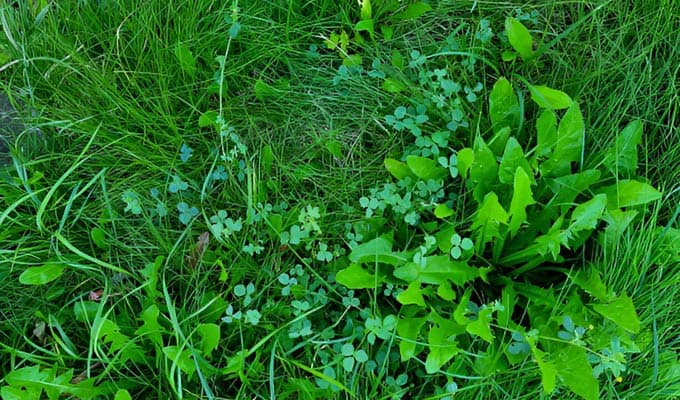
3. Clover
While some people appreciate clover for its small flowers and nitrogen-fixing properties, in most lawns it’s considered a weed. Clover can take over areas where grass is weak or nutrient-deficient.
Removal tips:
- Apply a broadleaf herbicide in early spring.
- Fertilize your lawn properly to strengthen grass growth.
- Regular mowing can prevent clover from flowering and spreading seeds.
4. Chickweed
Chickweed is a low-growing weed that thrives in cool, moist conditions, often forming dense mats that crowd out grass. Its small white flowers are harmless-looking but deceptive in how quickly it spreads.
Removal tips:
- Hand-pull in small areas before it sets seed.
- Apply a post-emergent herbicide in larger infestations.
- Aerate your lawn to improve drainage and reduce favorable conditions for chickweed.
5. Plantain
Plantain is a broadleaf weed that forms low rosettes and produces tall flower spikes. It tolerates a wide range of conditions and can be tough to control once established.
Removal tips:
- Use a broadleaf herbicide specifically labelled for plantain.
- Pull young plants before they mature.
- Regular lawn maintenance reduces its ability to establish.
6. Nutsedge
Nutsedge is often mistaken for grass, but it grows faster and has triangular stems. It spreads via underground tubers, making it hard to eradicate with mowing alone.
Removal tips:
- Apply a post-emergent herbicide labelled for nutsedge in early spring.
- Remove by hand carefully to get the tubers.
- Keep the lawn dense and healthy to prevent reinfestation.
7. Ground Ivy
Also known as creeping Charlie, ground ivy is a low-growing perennial that forms dense mats, displacing grass and creating uneven patches.
Removal tips:
- Apply a broadleaf herbicide in late winter or early spring.
- Rake the lawn to remove dead ground ivy and debris.
- Overseed bare patches with grass to reclaim the area.
8. Thistle
Thistles are spiny weeds that spread quickly through seeds and creeping roots. Their sharp leaves can make yard maintenance a challenge.
Removal tips:
- Pull young plants manually, making sure to remove the roots.
- Apply a selective herbicide chemicals in early spring before flowering.
- Mulch garden beds to prevent seedlings from taking hold.
9. Henbit
Henbit is a winter annual that thrives in cooler months and can make a lawn look untidy. Its purple flowers are noticeable but easy to remove with proper care.
Removal tips:
- Apply a post-emergent herbicide in late winter or early spring.
- Pull by hand in smaller areas.
- Fertilize and mow your lawn regularly to reduce henbit’s chances to spread.
10. Creeping Spurge
Creeping spurge is a low-growing weed with small yellow-green leaves that forms dense mats and produces a milky sap when broken. It can be poisonous to pets and children, making removal essential.
Removal tips:
- Pull by hand while wearing gloves to avoid sap contact.
- Apply a pre-emergent herbicide in early spring to prevent germination.
- Maintain a thick, healthy lawn to crowd out creeping spurge naturally.
How to Prepare Your Lawn for a Weed-Free Spring?
- Early Identification: Check your lawn before spring fully arrives to catch weeds while they’re small.
- Soil Testing: Healthy soil supports strong grass growth, reducing space for weeds.
- Proper Mowing: Keep grass at the recommended height for your species to shade out weeds.
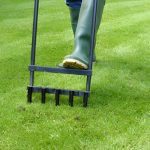
- Aeration and Overseeding: Improve soil drainage and fill in bare spots where weeds love to take hold.
- Consistent Fertilization: Balanced nutrients help your grass grow stronger, naturally competing with weeds.
How Professional Lawn Care Makes a Difference?
DIY weed control often treats symptoms rather than causes. Professional weed control services address soil health, turf density, and seasonal timing together.
At Erbert Lawns, we focus on:
- Targeted treatments
- Seasonally appropriate applications
- Long-term lawn strength
Conclusion
Spring lawn success depends on decisions made weeks earlier. Eliminating weeds before they take hold protects turf density, appearance, and long-term health. Early action reduces stress on your lawn and limits the need for corrective treatments later. If your lawn needs professional attention before spring arrives, contact us today. Our team provides structured, seasonally appropriate lawn care that supports stronger turf and lasting results.
FAQs:
When should weed control begin?
Weed control should begin before soil temperatures rise consistently in early spring.
Can weeds return after treatment?
Yes. Ongoing seasonal programs help prevent regrowth and reseeding.
Is pre-emergent treatment necessary?
Yes. Pre-emergent products prevent weeds from germinating.
Does fertilization help control weeds?
Proper fertilization strengthens turf, making it harder for weeds to establish.
Are lawn treatments safe for families?
Professional applications follow safety guidelines and approved usage standards.
Should weeds be removed before mowing?
In many cases, early treatment is more effective than manual removal.

Kelsey Keller
Business Manager
With six years of experience in lawn care, Kelsey Keller has learned the
many facets of what it takes to make lawn green and weed free. She pays close attention to
what customers need and what will make their lawn happy. She continues to learn and discover
what the turfs in Colorado need to be able to thrive.