
Fall prepares your lawn for the colder months ahead and sets the foundation for strong spring growth. As temperatures shift and daylight shortens, key changes occur below the surface that determine how well your lawn will endure winter. Erbert Lawns helps homeowners strengthen their yards during the fall season through maintenance practices that support roots, improve soil balance, and enhance turf resilience. Focused attention now ensures reliable results throughout the coming year.
- Key Takeaways
- The Grass Is Still Growing, Even If It Looks Slow
- Cooler Temperatures Create Ideal Working Conditions
- Fall Fertilizing Makes a Huge Difference in Spring
- Fall Is the Best Time to Aerate Your Lawn
- Overseeding in Fall Creates a Fuller, Greener Lawn
- Weed Control Is More Effective in Fall
- Leaves & Debris Removal Prevents Future Problems
- Fall Preparation Means Fewer Spring Headaches
- Conclusion
- FAQs:
Key Takeaways
- Fall strengthens roots before winter
- Cooler temperatures reduce stress on turf
- Seasonal feeding supports spring growth
- Aeration improves soil structure
- Fall care reduces disease and thinning
When people think about lawn care, they often picture spring, the season of new growth, warm temperatures, and fresh beginnings. But the real secret to a lush, healthy lawn actually starts much earlier. Fall is the most important time of year for lawn care because what you do in these cooler months determines how well your grass survives winter and how strong it comes back in spring. With the right fall lawn-care routine, you can set yourself up for thicker, greener grass all year long.
The Grass Is Still Growing, Even If It Looks Slow
Even though temperatures drop and your grass may appear to slow down, it’s actually working overtime underground. Fall is when the grass roots strengthen, expand, and store energy for winter.
Here’s what’s happening beneath the surface:
- Roots grow deeper, preparing for colder weather.
- Grass repairs summer damage, especially from heat and foot traffic.
- Nutrients absorbed in the fall support next year’s growth.
Because the roots are so active, fall is the perfect time to feed your lawn and help it recover from everything summer threw at it.
Cooler Temperatures Create Ideal Working Conditions
Fall weather brings mild days, cooler nights, and more consistent moisture, all essential for healthy grass growth. Unlike summer’s scorching heat or spring’s unpredictable rainfall, fall provides stable conditions for lawn care tasks.
These conditions help:
- Grass seed germinate more reliably
- Fertilizer work more efficiently
- Weeds become easier to control
- New growth strengthens before winter dormancy
This combination makes fall the easiest and most effective season for improving your lawn.
Fall Fertilizing Makes a Huge Difference in Spring
If you only fertilize once a year, experts recommend doing it in the fall. During this season, grass focuses on building strong roots rather than producing new leaves, meaning the nutrients go exactly where they’re needed most.
Benefits of fall fertilization include:
- Stronger root systems heading into winter
- Better disease resistance during cold, wet months
- Improved green-up in spring
- More energy storage, helping turf survive deep freezes
Using a slow-release or fall-formula fertilizer helps your lawn absorb nutrients gradually and consistently.
Fall Is the Best Time to Aerate Your Lawn
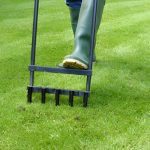
Aerating your lawn creates small holes in the soil to relieve compaction and improve airflow. While you can aerate in spring, fall lawn aeration is by far the most beneficial.
Why fall aeration matters:
- Soil loosens more easily when temperatures are mild
- Grass roots recover faster due to active growth
- Nutrients and moisture penetrate deeper
- It boosts the effectiveness of overseeding and fertilizing
If your lawn feels hard, has thin patches, or collects water on the surface, fall core aeration can work wonders.
Overseeding in Fall Creates a Fuller, Greener Lawn
Fall overseeding (adding new grass seed to an existing lawn) helps fill bare spots, thicken thin turf, and improve overall appearance. Because fall weather supports excellent seed germination, it’s the perfect time for this project.
Overseeding in fall helps:
- Strengthen your lawn before winter
- Choke out weeds by creating denser turf
- Repair summer stress damage
- Improve next season’s color and thickness
Pairing overseeding with aeration helps new seeds settle deeper into the soil, giving them the best possible start.
Weed Control Is More Effective in Fall
Just like your grass, weeds are also preparing for winter, and that’s actually good news for you. During fall, weeds absorb nutrients and moisture more aggressively, making them more vulnerable to herbicides.
Fall weed control works best on:
- Dandelions
- Clover
- Crabgrass (preventative treatment)
- Broadleaf weeds
By fall weed control now, you prevent them from dropping seeds and multiplying next year. This gives your lawn a much better chance at staying green and healthy come spring.
Leaves & Debris Removal Prevents Future Problems
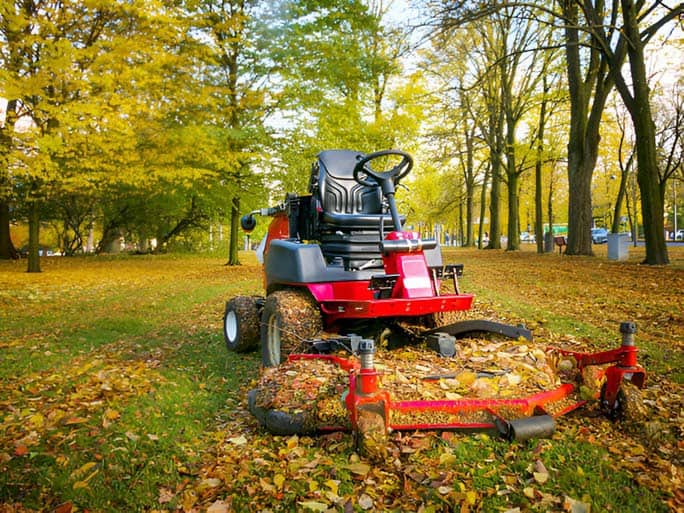
Those beautiful fall colors can quickly turn into a problem for your lawn if they’re left to pile up. A heavy buildup of leaves can block sunlight, trap moisture, and suffocate your grass.
Clearing leaves regularly helps:
- Prevent mold and fungus from forming
- Reduce pests that hide under damp debris
- Ensure the grass gets enough light and air
- Avoid dead patches caused by smothering
Mulching leaves with a mower is an easy and eco-friendly way to return nutrients to the soil while keeping your lawn clear.
Fall Preparation Means Fewer Spring Headaches
Taking care of your lawn in the fall doesn’t just help it survive winter, it sets the stage for a smoother, easier spring. When you invest time in fall lawn care, you reduce the amount of repair work needed once warm weather returns.
In spring, you’ll notice:
- Faster, healthier growth
- Less weed invasion
- Fewer bare patches
- A deeper green color
Instead of fighting to revive a tired lawn, you’ll simply maintain a healthy one.
Conclusion
Fall is the most important time for lawn care because it strengthens the root system, improves soil structure, and prepares the turf for winter. From fertilization and aeration to overseeding and leaf removal, every step taken now supports a healthier spring outcome. When you invest in fall maintenance, you protect your lawn and create a foundation for long-lasting growth. To optimize your lawn this fall season, contact us today for professional guidance and expert lawn care service tailored to your yard’s needs.
FAQs:
Why is fall considered the best time for lawn care?
Fall offers cooler temperatures and ideal soil conditions that support root growth and long-term turf health.
Should I fertilize my lawn during the fall?
Yes. Fall fertilization strengthens the lawn before winter and prepares it for early spring growth.
Is aeration necessary in the fall?
Aeration during fall improves soil structure and helps roots absorb nutrients more efficiently.
Can I overseed in the fall?
Fall is the best time for overseeding because seeds germinate well in cooler temperatures.
Do leaves harm the lawn if left too long?
Yes. Leaves can trap moisture, block light, and increase the risk of lawn disease.
How can fall lawn care improve spring results?
Fall maintenance strengthens roots, reduces stress, and improves the lawn’s ability to recover after winter.

Kelsey Keller
Business Manager
With six years of experience in lawn care, Kelsey Keller has learned the
many facets of what it takes to make lawn green and weed free. She pays close attention to
what customers need and what will make their lawn happy. She continues to learn and discover
what the turfs in Colorado need to be able to thrive.