
Seasonal changes can place pressure on your lawn, making it harder for roots to receive the air, water, and nutrients they need. When the soil becomes blocked or compacted, the lawn begins to show clear signs of stress. Erbert Lawns helps homeowners recognize when aeration is essential for restoring balance. Understanding these indicators prepares your yard for stronger growth, improved resilience, and a healthier appearance throughout the season.
- Key Takeaways
- 1. Your Lawn Feels Hard or Compacted
- 2. Excessive Thatch Buildup
- 3. Water Pools or Runs Off Instead of Absorbing
- 4. Your Lawn Has Thin, Bare, or Bald Spots
- 5. Your Grass Looks Tired, Worn-Out, or Stressed
- 6. Your Lawn Dries Out Quickly
- 7. Your Lawn Was Installed on New Construction Soil
- When Is the Best Time to Aerate?
- Why Aeration Matters This Season
- Conclusion
- FAQs:
Key Takeaways
- Soil compaction restricts airflow and water flow
- Thinning grass often signals poor root access
- Puddling indicates blocked soil pathways
- Heavy foot traffic increases the need for aeration
- Aeration boosts long-term lawn strength
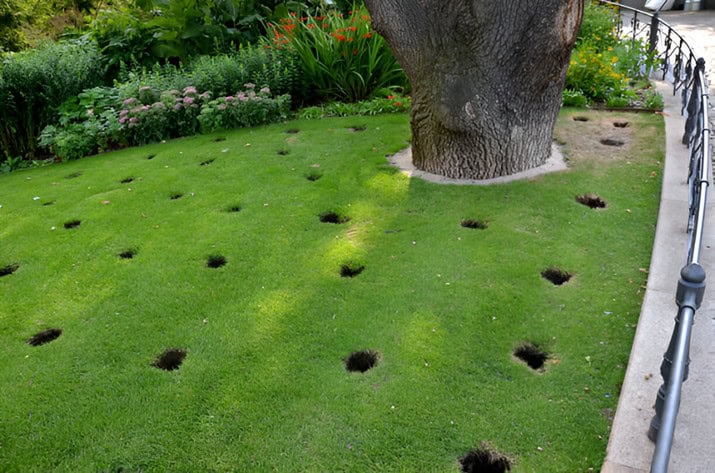
Keeping a lawn healthy isn’t always as simple as mowing and watering. Just like people, lawns need air to breathe and that’s where aeration comes in. Lawn aeration is the process of removing small plugs of soil so nutrients, oxygen, and water can reach the grassroots. Over time, soil becomes compacted from foot traffic, weather, and everyday use, making it harder for your lawn to stay thick, green, and resilient. If you’re wondering whether it’s time to aerate, here are seven signs your lawn may be overdue for a little extra breathing room.
1. Your Lawn Feels Hard or Compacted
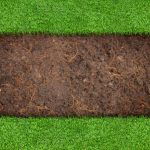
A key sign that your lawn needs aeration is soil compaction. When the soil becomes dense and hard, grassroots struggle to grow deep and healthy. You can do a simple test by pushing a screwdriver into the ground. If it’s difficult to insert, even after watering, your soil is likely compacted.
Signs of soil compaction include:
- Difficulty inserting tools into the soil
- Hard, crusty patches on the surface
- Slow or stunted grass growth
- Water pooling instead of soaking in
If your lawn sees a lot of traffic from pets, kids, or outdoor events, compaction can happen quickly and may require aeration once or twice a year.
2. Excessive Thatch Buildup
Thatch buildup is a layer of dead grass, roots, and organic material that accumulates between the soil and the green grass blades. A thin layer (about ½ inch) is normal, but anything thicker prevents water and nutrients from reaching the soil.
Common signs of too much thatch:
- Spongy feeling when you walk on the lawn
- Brown patches despite watering
- Lawn mower blades scraping above the soil
- Water running off rather than soaking in
Aeration helps break up and decompose thatch by giving microbes better access to the layer.
3. Water Pools or Runs Off Instead of Absorbing
If you notice puddles on your lawn or water streaming away instead of soaking in, your soil may be too compacted to absorb moisture. Healthy soil should pull water downward to feed the roots. When it can’t, the result is shallow root growth and weak turf.
You may notice:
- Standing water after rainfall
- Irrigation water sliding across the surface
- Mushy areas that dry unevenly
Aeration restores channels in the soil so water can flow naturally again.
4. Your Lawn Has Thin, Bare, or Bald Spots
Patchy areas are more than a cosmetic issue, they’re usually a sign your lawn isn’t getting the nutrients it needs. Compacted soil prevents seed and fertilizer from reaching the roots, making it harder for grass to fill in thin spots.
Bare areas often appear due to:
- Heavy foot traffic
- High-traffic areas from pets
- Compacted soil near walkways or driveways
- Poor root development from lack of oxygen
Aerating before overseeding can dramatically improve germination and growth.
5. Your Grass Looks Tired, Worn-Out, or Stressed
When soil conditions aren’t ideal, grass starts sending distress signals. You may notice that your lawn doesn’t “perk up” after watering or fertilizing. Healthy turf should bounce back quickly, but stressed turf looks dull or lifeless.
Grass stress indicators include:
- Yellowing or fading color
- Slow growth despite fertilizing
- Grass that wilts quickly under heat
- A general lack of vibrancy or thickness
Aeration gives your lawn a fresh start by improving airflow and nutrient penetration.
6. Your Lawn Dries Out Quickly
Another red flag is a lawn that can’t seem to stay hydrated. When soil is compacted, water can’t reach deeper layers, causing roots to remain shallow. Shallow roots dry out faster and require more irrigation.
You may notice:
- Brown tips on the grass blades
- A lawn that needs constant watering
- Dry patches even after rainfall
Aeration allows moisture to travel deeper into the soil, encouraging stronger root systems that hold water longer and better withstand drought.
7. Your Lawn Was Installed on New Construction Soil
If your home was built recently, aeration is especially important. New-construction lawns often suffer from heavily compacted soil due to machinery and construction activity. In many cases, only a thin layer of topsoil is added before sod or grass seed goes down.
Typical problems with new-construction lawns:
- Hard soil with poor drainage
- Shallow root growth
- Patchiness during the first few years
- Difficulty maintaining healthy turf
Aerating annually for the first two to three years can dramatically improve soil structure and long-term lawn health.
When Is the Best Time to Aerate?
In most parts of the United States, the best time to aerate depends on your grass type:
- Cool-Season Grasses (Kentucky Bluegrass, Fescue, Ryegrass): Early fall or early spring
- Warm-Season Grasses (Bermuda, Zoysia, St. Augustine): Late spring to early summer
Aerate during active growth so the lawn can recover quickly and fill in the core holes.
Why Aeration Matters This Season
Seasonal aeration strengthens your lawn by creating open channels for water, nutrients, and oxygen. This process increases root depth, improves resilience, and boosts color and density.
Major benefits include:
- Healthier soil structure
- Improved drainage
- Consistent nutrient delivery
- Reduced stress during heat
- Stronger overall turf growth
Conclusion
Lawn aeration is one of the most effective ways to keep your landscape vibrant, resilient, and balanced throughout the season. From compaction to poor drainage, weak growth, and thatch buildup, the signs are clear when your lawn needs extra care. Aeration restores oxygen flow, strengthens root systems, and prepares your lawn for long-term durability. If you want a healthier, stronger lawn this season, contact us today for professional lawn aeration services that protect and revitalize your turf.
FAQs:
How often should aeration be done?
Most lawns benefit from aeration once a year, especially during active growth seasons.
What time of year is best for aeration?
Spring and fall are ideal seasons because the grass is actively growing and can recover quickly.
Can aeration help with drainage issues?
Yes. Aeration improves water movement through the soil and reduces surface puddling.
How can I recognize when my soil is compacted?
If the ground feels firm, water sits on top, or grass struggles to grow, compaction is likely.
Does aeration help newly seeded lawns?
Yes. Aeration allows seeds to contact the soil more effectively and improves germination.
Can aeration improve lawn color?
Aeration boosts nutrient absorption, which often leads to stronger color and healthier turf growth.

Kelsey Keller
Business Manager
With six years of experience in lawn care, Kelsey Keller has learned the
many facets of what it takes to make lawn green and weed free. She pays close attention to
what customers need and what will make their lawn happy. She continues to learn and discover
what the turfs in Colorado need to be able to thrive.