
Organic lawn care is becoming a hot topic among homeowners who want greener, safer, and more sustainable yards. At Erbert Lawns, the focus has always been on providing reliable, high-quality care that balances natural beauty with long-term lawn health. But is switching to organic methods really worth it? This guide explores the advantages, drawbacks, and what to consider before making the change.
Key Takeaways
- Organic lawn care focuses on long-term soil and lawn health.
- Safer for families, pets, and local ecosystems.
- Requires patience and a higher upfront cost but delivers sustainable results.
- Builds stronger resistance to pests, drought, and disease.
- Works best with consistent maintenance and seasonal care.
What Is Organic Lawn Care?
Organic lawn care relies on natural processes and materials to maintain turf health instead of synthetic fertilizers or chemical pesticides. Rather than depending on quick-fix chemicals, organic programs focus on nurturing the foundation of a lawn; its soil. Effective care for an organic lawn emphasizes soil health, microbial balance, and sustainable nutrients that feed grass from the roots up, helping lawns thrive naturally and consistently over time.
Common techniques include:
- Compost-based fertilizers introduce essential nutrients in a slow, steady release.
- Organic soil amendments, such as compost or biochar that improve structure and water retention.
- Natural pest control methods, including beneficial nematodes or essential oils, reduce harmful insects without disturbing soil life.
- Regular aeration and overseeding to encourage new growth and reduce compaction.
These methods build lawn resilience over time, resulting in lasting health and sustainability instead of short-lived visual improvement.
Pros of Organic Lawn Care
1. Healthier Soil and Stronger Roots
Organic lawn care supports a living ecosystem beneath the surface. Healthy soil is full of beneficial bacteria and fungi that enhance root growth, nutrient uptake, and water retention. Over time, this process creates a lush, green lawn capable of withstanding drought, foot traffic, and disease. A strong root system also means less dependence on fertilizers and irrigation nature does more of the work.
2. Safe for Families, Pets, and the Environment
Synthetic chemicals used in traditional lawn care can linger in the soil, wash into local waterways, and affect nearby plants and animals. Organic treatments, on the other hand, use biodegradable, non-toxic materials that are safer for children, pets, and pollinators. Chemical pesticides are among the most common residential pollutants, an issue that organic care helps significantly reduce. Choosing natural lawn care is both an investment in health and a contribution to a cleaner environment.
3. Long-Term Sustainability
Unlike traditional approaches that often deliver temporary results, organic lawns continue improving over time. By building soil fertility and supporting biodiversity, lawns become more self-sustaining, needing less fertilizer, fewer treatments, and minimal watering. The upfront commitment results in enduring health and lower maintenance costs. Studies show that well-maintained organic lawns can retain up to 90% more rainwater, reducing runoff and erosion, a major win for both the landscape and the environment.
4. Better Resistance to Stress
Lawns treated with organic methods develop deep, strong root systems that enhance resilience against stress. Whether it’s heat, drought, or seasonal changes, these lawns adapt more effectively than chemically treated ones. Because the grass is rooted in biologically active soil, it recovers faster from wear and environmental fluctuations, maintaining a greener, healthier appearance year-round.
Cons of Organic Lawn Care
1. Slower Results
Organic lawn care builds results gradually, as it relies on natural soil processes rather than synthetic stimulants. Those expecting instant greening might find the pace slow at first. Typically, it takes a full growing season, sometimes more, before a visible transformation occurs. However, once the soil becomes balanced, improvements continue without heavy intervention.
2. Higher Upfront Costs
Organic fertilizers and natural pest-control products often cost more than synthetic counterparts. This is mainly because such products are derived from renewable, plant-based, or mineral ingredients. Although the initial expense is higher, long-term maintenance usually becomes less costly as the lawn’s natural ecosystem strengthens and chemical dependence decreases.
3. Limited Quick-Fix Options
Organic lawn care doesn’t offer instant remedies for weeds, pests, or diseases. Problems must be managed preventively through consistent practices such as aeration, mowing, and soil enrichment. While this approach requires patience and discipline, it ultimately builds a healthier lawn that can resist many of these issues naturally.
4. Regional Challenges
Certain soil types or climates may require more adjustment to succeed organically. For instance, clay-heavy or poorly drained soil might need frequent aeration, composting, or gypsum treatment to improve texture and oxygen flow. Likewise, in regions with extreme weather patterns, organic programs must be adapted to local conditions for best results.
Organic vs. Traditional Lawn Care: A Balanced View
Traditional lawn care produces fast visual changes using synthetic fertilizers and herbicides, but these treatments can disrupt soil biology and weaken long-term growth. Organic care, by contrast, works slowly to restore natural balance and ecological stability.
The choice between the two depends on personal goals:
- For immediate curb appeal, traditional care delivers quick results and lush color.
- For lasting health and environmental safety, organic lawn care offers a balanced approach that aligns perfectly with the principles of sustainable lawn care.
- Many homeowners choose a hybrid approach, combining both methods during the transition phase to achieve a balance between short-term impact and long-term benefits.
Practical Tips for Transitioning to Organic Lawn Care
- Test Soil pH: Begin by testing the soil to understand its nutrient levels and pH balance. Reliable and affordable soil testing kits are available to help determine what the lawn actually needs.
- Start with Aeration: Aerate compacted soil at least once a year to improve air exchange and root penetration. This creates the foundation for organic materials to work effectively.
- Use Compost Tea or Organic Fertilizers: Apply compost tea, worm castings, or organic fertilizers to boost microbial activity and enrich the soil naturally.
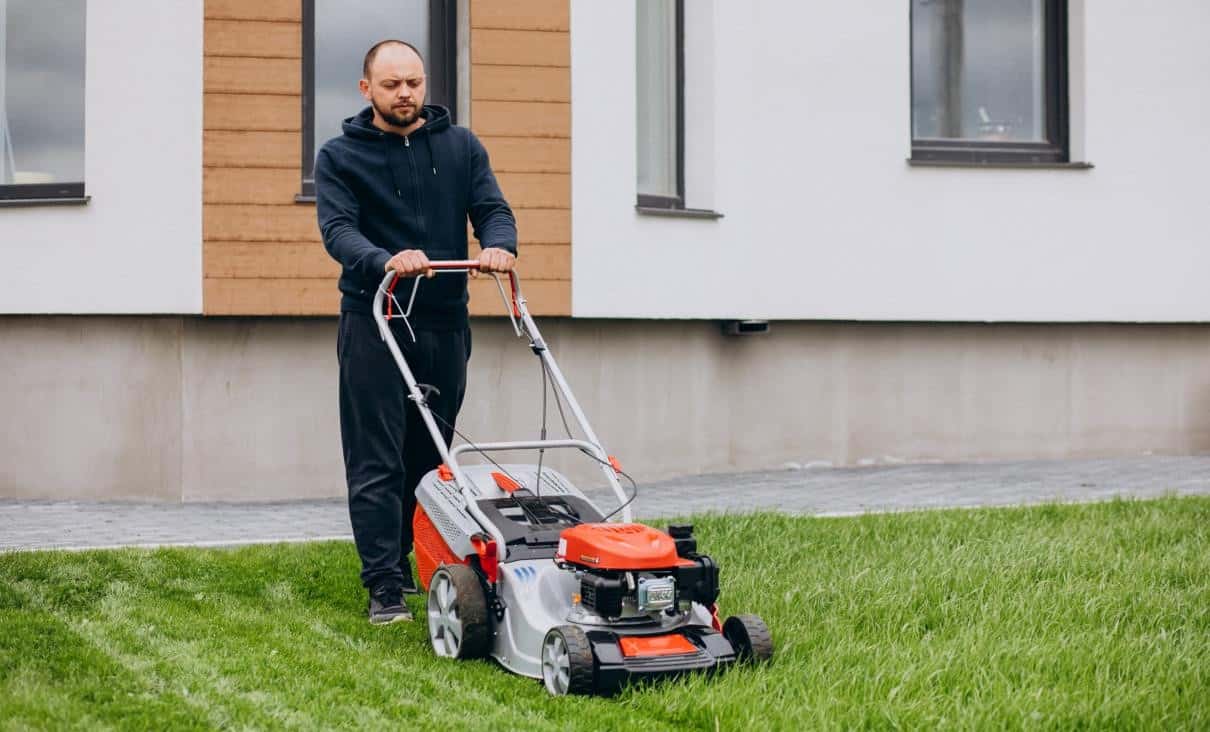
- Mow Correctly: Keep the grass height around three inches to shade the soil, conserve moisture, and discourage weeds. Sharpen mower blades regularly for clean cuts.
- Overseed Annually: Reseed bare spots and thin patches each fall to create a dense, competitive turf that naturally suppresses weeds.
- Be Patient: Organic transformation takes time, but once established, the lawn becomes easier to maintain and more resistant to stress and disease.
When Organic Care May Not Be Ideal
- In situations where lawns are severely damaged by pests, diseases, or soil compaction, traditional treatments may be necessary to restore balance before moving to a fully organic routine. A combined strategy, often called integrated lawn management, blends both approaches for faster results while maintaining soil integrity.
- Customized fertilization and maintenance programs can also be designed to suit the specific conditions of each lawn, ensuring a smooth transition toward long-term, sustainable health.
Conclusion
Choosing organic lawn care is a commitment to long-term beauty, safety, and environmental responsibility. While it may take time to see results, the rewards are healthier soil, stronger grass, and a safer outdoor environment. Erbert Lawns provides professional lawn care designed to bring the best of both natural and modern techniques together. For a personalized lawn care plan, contact us today to discuss services that fit your home’s needs.
FAQs
1. Does organic lawn care really work?
Organic lawn care helps improve soil health by promoting natural biological activity. Over time, this supports the growth of thick, healthy grass that is more resilient to stress.
2. How long does it take to see results from organic lawn care?
Noticeable results generally appear within one to two growing seasons. Improvements in color, density, and soil texture develop gradually as the soil ecosystem becomes balanced.
3. Can organic lawn care control weeds effectively?
Weed control is achievable with organic methods, but it requires consistency. A healthy, dense lawn naturally limits the space available for weeds to establish and spread.
4. Is organic lawn care more expensive than traditional methods?
Organic lawn care often involves higher upfront costs, but long-term expenses typically decrease as the lawn becomes healthier and requires fewer treatments.
5. What is the best time to switch to organic lawn care?
The most suitable times to begin an organic program are spring or early fall, when soil activity and root development are at the strongest.
6. Does organic lawn care mean avoiding fertilizers completely?
Organic lawn care still uses fertilizers, but these are derived from natural sources such as compost, bone meal, or seaweed extracts instead of synthetic chemicals.

Kelsey Keller
Business Manager
With six years of experience in lawn care, Kelsey Keller has learned the
many facets of what it takes to make lawn green and weed free. She pays close attention to
what customers need and what will make their lawn happy. She continues to learn and discover
what the turfs in Colorado need to be able to thrive.