
When families choose perimeter pest control, one of the first questions raised is whether the treatment is safe for pets. At Erbert Lawns, we know pets are part of the family, and protecting them is just as important as keeping pests out. Modern pest control solutions, when applied correctly, are designed to minimize risks while creating a safe barrier around your home.
Key Takeaways
- Modern pest control products are tested for pet safety
- Pets should stay indoors until the treated areas dry
- Professional applications reduce risks compared to DIY sprays
- Communication with your lawn care provider is essential
- Erbert Lawns offers safe, reliable perimeter treatments
What is Perimeter Pest Control?
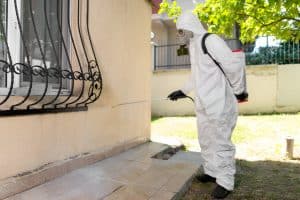
Perimeter pest control refers to the practice of applying pest control treatments along the exterior foundation of a home. These treatments create a barrier around your home to prevent pests like ants, spiders, roaches, and rodents from entering. The products used for perimeter pest control can include insecticides chemical, repellents, and traps, often in the form of sprays, granules, or baits.
- Sprays: Liquid pesticides are sprayed around the perimeter of the house, including doorways, windows, and cracks or crevices where pests might enter.
- Granules: Granular insecticides are spread around the foundation of the home. When it rains or when the granules are disturbed, they activate, creating a barrier.
- Baits: These are placed near the home’s foundation to attract pests. The bait is consumed by the pests, which then carry the poison back to their nests.
While these treatments are generally effective at controlling pests, their safety for pets depends on the types of chemicals used, how they are applied, and the precautions taken after application.
Potential Risks of Perimeter Pest Control for Pets
Pet safety is a primary concern when using any kind of pest management, and perimeter pest control is no exception. While many products on the market are designed to be pet-friendly, there are still potential risks that pet owners should be aware of.
1. Chemical Exposure
Many perimeter pest control products contain insecticides, which are chemicals that can be harmful if ingested, inhaled, or absorbed through the skin. Some common chemicals used in pest control products include:
- Pyrethroids: These are synthetic chemicals designed to mimic the natural insecticide properties of pyrethrins, which are derived from chrysanthemums. While pyrethroids are effective against pests, they can be toxic to pets, especially if they ingest or come into contact with them.
- Neonicotinoids: This class of insecticides affects the nervous system of pests. While they are generally less toxic to mammals, high concentrations can still cause harm to pets.
- Organophosphates: These chemicals disrupt the nervous system and are toxic to both pests and pets. Organophosphates have been phased out in many residential products, but some outdoor pest control treatments may still contain them.
2. Ingestion Risk
Pets, particularly dogs and cats, may accidentally ingest pesticide residues if they come into contact with recently treated areas. This is particularly common with granular products that might attract pets to lick or chew on them. Even if a product is labeled as “safe” for pets, ingestion can still lead to gastrointestinal upset, lethargy, or more severe reactions, depending on the chemicals involved.
3. Skin Irritation or Allergic Reactions
When pets walk or roll in areas treated with pesticides, they risk skin irritation. The chemicals in the treatments can cause rashes, burns, or other allergic reactions if they come into contact with their fur or skin. This is particularly a concern for pets with sensitive skin or allergies.
4. Respiratory Risks
Many insecticides release fumes or fine particles into the air when sprayed. If pets are present when the treatment is applied, they may inhale these chemicals, which could lead to respiratory irritation or distress, especially for pets with pre-existing health conditions like asthma or bronchitis.
How to Keep Your Pets Safe During Perimeter Pest Control
The good news is that there are several ways to mitigate the risks associated with perimeter pest control, ensuring that your pets are safe while effectively managing pests around your home.
1. Use Pet-Safe Pest Control Products
Look for products or lawn care specifically labeled as pet-safe or pet-friendly. Many pest control companies offer eco-friendly or natural alternatives that use plant-based insecticides or less toxic chemicals. These options are often safer for pets and the environment, though you should still follow all safety instructions.
- Natural Alternatives: Diatomaceous earth, essential oils (like citronella, peppermint, or eucalyptus), and botanical insecticides are examples of safer options. These products are often less harmful to pets but may require more frequent application to maintain their effectiveness.
2. Apply Products When Pets Are Inside
To minimize exposure, apply pest control products when your pets are indoors. Avoid letting your pets outside until the products have fully dried or settled. Depending on the type of product used, this may take several hours to a day. Always adhere to the manufacturer’s guidelines for recommended drying times.
- Precaution: If the pest control company is doing the application, inform them that you have pets and request that they apply the products at times when your pets will be indoors or confined to a specific area of the house.
3. Create Barriers
After applying perimeter pest control treatments, it’s a good idea to keep pets away from the treated areas. Consider setting up barriers, such as temporary fencing or marking the treated areas with visible signs. This will prevent your pets from entering these areas until it is safe to do so.
4. Monitor Pets for Symptoms
After pest control treatments, keep a close eye on your pets for any signs of illness or discomfort. Symptoms like drooling, vomiting, lethargy, or difficulty breathing could indicate a reaction to the chemicals. If any of these symptoms appear, seek immediate advice from your veterinarian.
5. Regularly Bathe Your Pets
If your pets have been outside after a treatment, it’s a good idea to bathe them to remove any pesticide residue that may have settled on their fur or skin. This is especially important for dogs, who are more likely to roll on the ground and come into contact with treated areas.
The American Veterinary Medical Association advises keeping pets indoors during application and only allowing them outside once surfaces are dry. Following these precautions ensures peace of mind.
Why Choose Erbert Lawns
At Erbert Lawns, our goal is two-fold: protect homes from pests and safeguard family wellbeing, including pets. Through our perimeter pest control service, our technicians are trained to use products responsibly, ensuring effective results without unnecessary risks.
Explore our other services that complement pest control:
- Lawn Fertilization
- Weed Control
- Grub Control
Together, these treatments create a healthier lawn while keeping pests at bay.
Conclusion
Perimeter pest control can be both effective and safe when carried out professionally. For pet owners, the most important step is ensuring pets remain indoors until the treated areas dry. With today’s regulated, pet-friendly formulations and professional application methods, families can enjoy pest-free homes without compromising their pets’ safety. Looking for reliable and effective pest control for your home? Contact us today and let us protect your home, lawn, and pets with trusted care.
FAQs:
Is perimeter pest control safe once dry?
Yes. Once the product has dried, pets and children can return to the treated areas safely.
How long should pets stay inside after treatment?
Typically, pets should remain inside for 1–2 hours or until the application is completely dry.
Can dogs and cats get sick from pest control?
When treatments are applied professionally and pets are kept away during application, the risk is very low. Ingesting wet product is the main concern.
Are DIY pest control sprays safe for pets?
Not always. Many over-the-counter products are stronger than necessary or applied incorrectly. Professional services are safer and more reliable.
What should I do if my pet contacts fresh pesticide?
Wash paws or fur with mild soap and water. If irritation continues, contact your veterinarian.
Does Erbert Lawns use pet-safe pest control products?
Yes. Our perimeter pest control uses regulated formulations applied with safety-first methods, ensuring minimal risk to pets.

Kelsey Keller
Business Manager
With six years of experience in lawn care, Kelsey Keller has learned the
many facets of what it takes to make lawn green and weed free. She pays close attention to
what customers need and what will make their lawn happy. She continues to learn and discover
what the turfs in Colorado need to be able to thrive.