
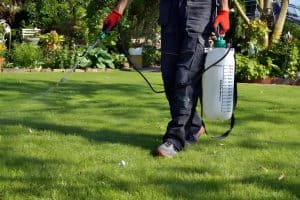
Turf diseases are a silent threat that often go unnoticed until damage is already done. Denver’s unique climate creates the perfect conditions for fungal issues to thrive. Erbert Lawns offers expert treatment solutions tailored to the region’s most common lawn diseases, helping you restore health and prevent further spread. Early action, accurate diagnosis, and professional care are essential to maintaining a vibrant, resilient lawn throughout the changing seasons.
Key Takeaways
- Denver’s climate promotes turf diseases that thrive on moisture and stress
- Early detection helps avoid full lawn replacement
- Professional fungus treatment and aeration are critical
- Custom care plans prevent future outbreaks
- Lawn health starts with proper maintenance, not just spot fixes
Addressing Common Turf Diseases in Denver
Denver’s climate, characterized by cool winters and hot, dry summers, creates an environment where several turf diseases and fungi thrive. Many of these diseases are most prevalent during the transition periods, early spring and late summer to fall, when grass is stressed and growth slows down.
At Erbert Lawns, we’ve seen firsthand how fast things can turn. Below, we’ll break down the most common lawn diseases in the Denver area, how to spot them, and what to do next.
1. Dollar Spot (Sclerotinia homoeocarpa)
Dollar spot is one of the most common fungal diseases affecting lawns in Denver. Named for the small, round, sunken patches that resemble silver dollars, this disease typically affects cool-season grasses such as Kentucky bluegrass, ryegrass, and fescue. Dollar spot thrives in conditions of high humidity, high temperatures, and excessive nitrogen fertilization, which are often seen during Denver’s summer months.
Symptoms:
- Small, light-colored circular patches, usually about the size of a silver dollar.
- A whitish or grayish web-like growth around the edges of the patches, particularly early in the morning when dew is present.
- The grass in the affected areas may appear water-stressed, even when the soil is moist.
Treatment:
- Proper Watering: Dollar spot thrives in dry conditions, so maintaining proper irrigation practices is essential. Water deeply but infrequently to encourage deep root growth and reduce stress.
- Fungicide Application: If the disease persists, applying a fungicide labeled for dollar spot can help curb the spread. It’s important to apply fungicides preventatively, especially during humid months when the disease is most active.
- Avoid Excess Nitrogen Fertilizer: Excessive nitrogen can fuel dollar spot development. Use a balanced fertilizer with proper nutrient levels and avoid overfertilizing.
2. Brown Patch (Rhizoctonia solani)
Brown patch is another common fungal disease found in Denver lawns. It primarily affects cool-season grasses during hot, humid conditions, especially in areas that experience high moisture and poor air circulation. This disease can spread quickly if left untreated, causing large, brown, irregular patches in the lawn.
Symptoms:
- Large, circular or irregular brown patches ranging from a few inches to several feet in diameter.
- A characteristic dark, water-soaked zone at the edges of the patch, which may have a distinct, darker border.
- Grass inside the patch appears to be rotting, with an overall wilted appearance.
Treatment:
- Improve Lawn Drainage: Brown patch thrives in wet, poorly drained soil. Aerating the lawn to improve water infiltration and drainage can help reduce disease pressure.
- Proper Watering Schedule: Watering deeply but less frequently helps the grass develop stronger roots and reduces the moisture that contributes to fungal growth.
- Fungicide Treatment: Fix brown patches in your lawn by applying a preventive fungicide treatment before the fungus spreads. This is especially important during the summer months when brown patch is most active. Regular fungicide applications not only control existing outbreaks but also help reduce the risk of future infections, keeping your lawn healthy and green year-round.
3. Powdery Mildew (Erysiphe graminis)
Powdery mildew is another fungal disease that affects lawns in Denver, though it is more common on shady lawns with poor air circulation. It often targets Kentucky bluegrass and fescue grasses. Powdery mildew thrives in humid, warm conditions and can stress grass when it inhibits photosynthesis by coating the leaves with white, powdery spores.
Symptoms:
- A white, powdery fungal growth on the grass blades, particularly in the morning or in areas with high humidity.
- Reduced growth and yellowing of the grass.
- Grass may become thin, weakened, and susceptible to other pests or diseases.
Treatment:
- Improve Air Circulation: Pruning trees and shrubs around the lawn to allow more sunlight and airflow will help reduce the humidity levels that foster powdery mildew.
- Fungicides: Using fungicides that target powdery mildew can help control the spread of the disease. Apply fungicides early in the infection cycle for best results.
- Mow Grass Regularly: Keeping the grass at an appropriate height will help improve air circulation and minimize the conditions favorable to powdery mildew.
4. Summer Patch (Magnaporthe poae)
Summer patch is a soil-borne fungal disease that typically affects cool-season grasses, particularly during the heat of summer. This disease is often exacerbated by environmental stressors such as drought, excessive fertilization, and poor soil conditions. Summer patch creates circular or irregular patches of dead grass that expand over time, causing unsightly brown spots in the lawn.
Symptoms:
- Circular patches of grass that initially appear light brown or yellow.
- As the disease progresses, the patches turn brown or straw-colored, and the edges may darken.
- Affected grass may show signs of thinning or death due to compromised root systems.
Treatment:
- Improve Soil Health: Aerating the lawn and adding organic matter to improve soil structure and drainage can help reduce the presence of summer patch.
- Adjust Fertilizer Use: Over-fertilizing can worsen the problem, so it’s important to apply fertilizer in moderation and based on soil test recommendations.
- Fungicides: In severe cases, fungicides specifically designed to treat summer patch can be applied, especially in the early stages of the disease.
Lawn Care and Preventive Strategies for Turf Disease and Fungi
While treating specific turf diseases is important, preventing disease outbreaks in the first place is the best strategy. Here are some general lawn disease prevention tips to minimize the risk of fungal infections:
- Proper Lawn Maintenance: Regular mowing, aeration, and dethatching help improve airflow, reduce compaction, and maintain a healthier lawn.
- Water Wisely: Water early in the morning to allow grass to dry out throughout the day. Avoid overwatering, as standing water can promote fungal growth.
- Fertilize Correctly: Using the right type of fertilizer for your grass and applying it according to recommended schedules can prevent over-fertilization, which may contribute to diseases like dollar spot.
- Choose Disease-Resistant Varieties: Use grass varieties specifically bred to resist the most common diseases found in your local area. This will give your lawn a natural defense against many types of fungus.
- Monitor Lawn Health: Regularly inspect your lawn for signs of disease or fungus. Catching problems early can prevent larger, more damaging outbreaks.
Conclusion
Turf disease can appear overnight and escalate quickly, but it doesn’t have to spell disaster. With trained eyes and the right approach, your lawn can bounce back stronger than ever. At Erbert Lawns, we bring local expertise, proven treatments, and tailored prevention strategies to protect your green space. Ready to take control of your lawn health? Get in touch with us today for professional turf disease solutions tailored to Denver lawns.
FAQs:
What causes lawn fungus in Colorado?
Fluctuating temperatures, excess moisture, and poor air circulation all contribute. Overwatering and compacted soil can make lawns more vulnerable.
How can I recognize signs of disease in my lawn?
Discoloration, circular patches, powdery coatings, or dying grass in rings are common signs. A professional inspection can confirm the issue.
Will the fungus go away on its own?
Unlikely. Without treatment, fungal diseases can spread and cause long-term turf damage. Prompt action is essential.
Can lawn fungus spread to other yards?
Yes. Spores can be carried by wind, water, or lawn equipment. Treating early helps prevent the spread to neighboring properties.
Is fungicide safe for pets and kids?
When applied professionally and according to guidelines, fungicides are safe. We use EPA-approved treatments and provide clear post-application instructions.
How frequently should I apply treatments for lawn disease?
The frequency depends on the type of fungal issue and the overall health of your lawn. Our team at Erbert Lawns creates custom plans based on your lawn’s specific needs.

Kelsey Keller
Business Manager
With six years of experience in lawn care, Kelsey Keller has learned the
many facets of what it takes to make lawn green and weed free. She pays close attention to
what customers need and what will make their lawn happy. She continues to learn and discover
what the turfs in Colorado need to be able to thrive.