
A lush, healthy lawn is more than a backdrop; it’s a statement. At Erbert Lawns, weed-free grass isn’t luck, it’s a result of strategy, science, and season-long care. By combining expert timing, targeted applications, and proven lawn nutrition, we ensure every yard reaches its full potential. This article walks through the precise methods Erbert Lawns uses to control weeds, without compromising soil or turf health.
Key Takeaways
- Healthy turf naturally suppresses weed growth.
- Rock beds require different weed management tactics.
- Seasonal timing plays a critical role in weed control.
- Expert lawn fertilization strengthens grassroots defense.
How to Keep Your Lawn Weed Free
- A weed-free lawn is more than just an aesthetic achievement. Unchecked growth competes for essential nutrients and moisture, gradually weakening the grass. Effective weed management is proactive by design. Without early intervention, aggressive varieties like crabgrass, dandelions, and spurge can quickly dominate both lawns and rock beds.
- Successful weed elimination begins with understanding the life cycle of different species. From broadleaf intruders to grassy invaders, each type requires precise timing and tailored control methods to prevent establishment and spread.
Deep Dive into Weed Elimination for Lawns and Rock Beds
Weeds pose challenges in both turf areas and decorative rock beds, though each requires a unique strategy. Grass-covered lawns benefit from a combination of nourishment and targeted herbicide applications. In contrast, rock beds demand approaches that include pre-emergent granules, manual removal, or non-selective herbicides to stop root formation and spread.
Lawns: Defense from the Ground Up
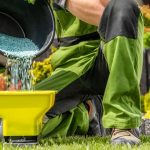
- The most effective weed control for turfgrass starts before any signs of growth are visible. Pre-emergent herbicides, such as those targeting crabgrass, are applied in early spring to create a soil barrier that blocks seed germination. Application timing is crucial; missing the window allows weeds to take hold.
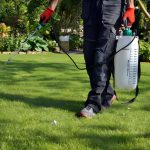
- For weeds that have already emerged, post-emergent herbicides are used selectively to address specific types without damaging the surrounding grass. Formulations with 2,4-D or dicamba are commonly used for broadleaf varieties. However, chemical treatment alone doesn’t deliver sustainable results.
- Healthy lawns naturally suppress weed growth. Regular fertilization and lawn nutrition encourage dense turf that leaves little room for invasive plants. Thick, well-maintained grass can effectively outcompete weeds over time, reducing the need for frequent intervention.
Rock Beds: The Often-Ignored Battleground
Rock beds often become a hidden haven for persistent weed growth. Unlike turfgrass, which naturally shades and suppresses emerging weeds, rock beds provide open, exposed soil between stones, an ideal environment for hardy intruders like bindweed, thistle, and nutsedge. Invasive species can quickly establish roots if left unmanaged, detracting from the landscape’s clean appearance and requiring extensive effort for removal later.
To maintain weed-free rock beds, it’s essential to implement a multi-layered approach that includes:
- Installation of landscape fabric underlayment: A high-quality, breathable landscape fabric placed beneath decorative rocks creates a strong physical barrier that blocks sunlight and reduces weed seed germination. This foundational layer also helps prevent roots from penetrating deeply into the soil, making any necessary removal far easier over time.
- Use of pre-emergent herbicide granules: Applying a pre-emergent herbicide in early spring forms a protective chemical layer in the soil. This layer disrupts the germination process of weed seeds before sprouting can occur. Reapplication may be required throughout the growing season, especially in high-traffic or moisture-prone areas.
- Manual or spot herbicide application when necessary: Even with preventative steps, occasional weed outbreaks can occur. Hand-pulling is often effective for smaller infestations, especially when done before weeds have fully rooted. For more established weeds, selective spot treatments using appropriate herbicides can stop growth without harming surrounding decorative plants or surfaces.
- Careful use of non-selective herbicides such as glyphosate: In cases of aggressive or widespread infestations, non-selective herbicides may be necessary. Products like glyphosate are effective in eliminating weeds down to the root, but must be applied with precision to avoid damage to nearby vegetation or soil health. Using a controlled application method, such as a sponge applicator or shielded sprayer, can improve safety and efficiency.
- Routine inspections and timely intervention: Regular visual checks of rock beds allow for early detection of unwanted growth. Addressing small problems before spreading occurs reduces the need for stronger chemical applications and helps preserve the overall look and integrity of the landscape.
Strategic Timing Is Everything
- Precise timing is one of the most important elements of effective weed control. Pre-emergents yield the best results when applied in early spring as soil temperatures reach 55°F. Timing based on soil temperature rather than calendar dates ensures treatments are applied when most effective for preventing weed germination.
- Late spring to early summer is the best period for treating actively growing weeds like clover or dandelions. Autumn, on the other hand, provides an excellent opportunity for strengthening lawns and targeting root systems before winter dormancy. Spot treatments in fall help prepare the lawn for a weed-resistant comeback in spring.
Integrated Lawn and Weed Care
Weed control works best when combined with comprehensive lawn care practices. A multi-step approach may include:
- Regular fertilization to promote dense, healthy grass
- Seasonally timed weed control applications
- Preventative perimeter pest control to reduce turf stress from pests
These elements work together to build a more resilient lawn. Healthy soil supports deep roots, and robust roots lead to a thicker canopy that naturally chokes out emerging weeds.
Conclusion
Each service is guided by proven methods and designed to deliver effective, lasting results. Whether it’s a rock bed tangled with thistle or a backyard battling dandelions, our lawn experts know what it takes to restore balance. If your lawn needs consistent care and protection from unwanted invaders, contact us today to schedule a custom treatment plan.
FAQs
How do professionals get rid of weeds permanently?
A combination of pre-emergent and post-emergent herbicides, balanced fertilization, proper mowing practices, and seasonally timed treatments is typically used to suppress existing weeds and prevent future growth.
Are weeds a sign of poor soil?
Yes. Many weed species thrive in compacted, low-quality, or nutrient-deficient soil. This often signals a need for soil improvement measures such as aeration and fertilization.
Can weeds be removed without chemicals?
Yes, through manual removal, mulching, and promoting turf density. However, for more aggressive or deep-rooted species, chemical control may still be necessary for complete eradication.
Why do weeds keep returning after treatment?
Recurring weed problems may result from incomplete root removal, skipped pre-emergent treatments, or weakened turf that allows space for regrowth.
Should rock beds be treated for weeds, too?
Yes. Without preventative measures like underlayment or pre-emergent herbicides, rock beds are highly vulnerable to persistent weeds such as thistle, bindweed, and spurge.
When is the most effective time of year to apply weed control treatments?
Early spring is optimal for pre-emergent applications. Late spring to early summer targets visible weeds, while fall is ideal for spot treatments and preparing turf to resist winter weed pressure.

Kelsey Keller
Business Manager
With six years of experience in lawn care, Kelsey Keller has learned the
many facets of what it takes to make lawn green and weed free. She pays close attention to
what customers need and what will make their lawn happy. She continues to learn and discover
what the turfs in Colorado need to be able to thrive.